






Founded by top minds from OpenAI and Google Brain, the new startup is betting on AI-driven material science and experimental labs to accelerate breakthroughs like superconductors.
$300M Seed Round Signals Confidence in AI-Powered Science
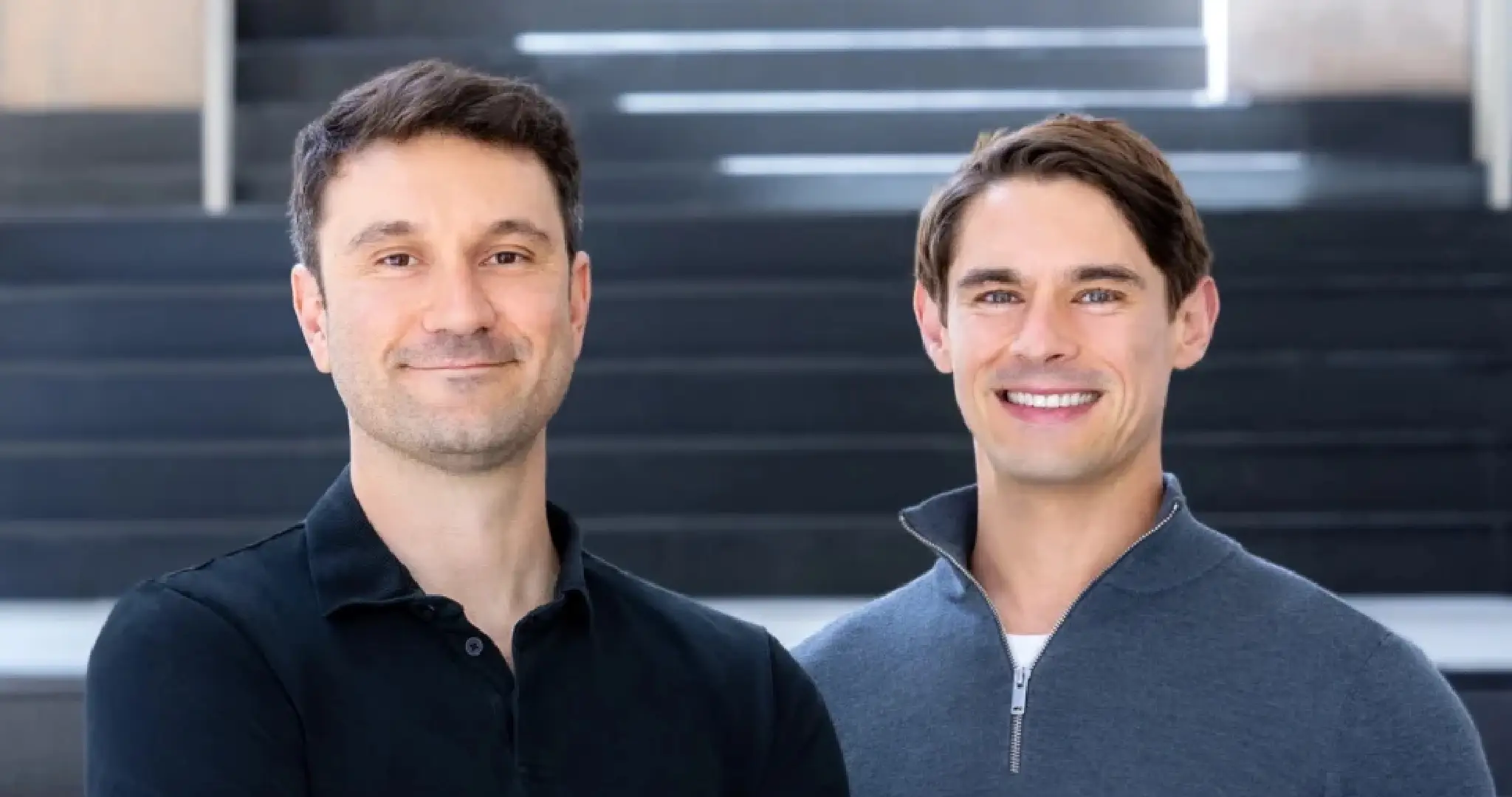
Periodic Labs, a stealth-mode startup founded by Liam Fedus (formerly OpenAI) and Ekin Dogus Cubuk (formerly Google Brain), has made waves with a record-breaking $300 million seed round—a rare funding event even by Silicon Valley standards.
- Andreessen Horowitz led the round, with early backing from Felicis, and participation from DST, NVentures (Nvidia), Accel, and angel investors like Jeff Bezos, Elad Gil, Eric Schmidt, and Jeff Dean.
- The round reflects surging investor appetite for startups combining AI and hard science, especially those promising to transform materials discovery.
A Dream Team with Real-World Credibility
The founders aren’t just hype—they come with serious credentials.
- Liam Fedus was a core architect of ChatGPT and led OpenAI’s post-training team, responsible for fine-tuning some of the most important AI models to date.
- Ekin “Dogus” Cubuk is known for his work at Google Brain and was a co-author of the influential GNoME paper, which used AI to discover novel materials.
- Together, they envision a future where large language models (LLMs), simulations, and robots collaborate to experiment, iterate, and even fail—because, in science, failure still produces data.
The Vision: AI + Simulations + Robots = Scientific Breakthroughs
The pitch that turned heads? AI systems shouldn’t just read science—they should do science.
- Periodic Labs is building an end-to-end platform where:
- LLMs reason and generate hypotheses
- Simulations model potential materials
- Robots in a wet lab test the predictions
- The initial target: Discovering new superconductors—materials that could revolutionize energy efficiency and computing.
Timing Is Everything: Why Now?
The founders believe three key advances made this the right moment:
- Reliable robotic arms can now handle powder synthesis for materials testing.
- Machine learning simulations are fast and accurate enough to model complex physical systems.
- LLMs, thanks to innovations like Fedus’ own work, can now support reasoning and iteration across experiments.
This trifecta makes AI-native science not just possible—but practical.
Data Is the New Catalyst
Even failed experiments serve a purpose: they generate valuable data to refine models.
- Traditional science often rewards only successful results (papers, grants).
- Periodic Labs flips that model—every experiment teaches the AI something, building up a novel, real-world dataset.
- This approach may eventually lead to new materials, faster discovery cycles, and more resilient scientific systems.
Felicis Joins First—and Fast
The first investor call came from Peter Deng, a former OpenAI executive who had just joined Felicis.
- After an impromptu pitch walk through Noe Valley, Deng committed to investing on the spot.
- At the time, the company had no name, no bank account, and wasn’t incorporated.
- “We needed money for laptops and a temporary office,” Fedus recalled. Deng replied, “Great, I’ll give you money right now.”
A Growing Powerhouse of Cross-Disciplinary Talent
With funding secured, Periodic Labs has already hired two dozen elite scientists and engineers, including:
- Alexandre Passos – creator of influential optimization frameworks (o1, o3)
- Eric Toberer – superconductor pioneer
- Matt Horton – led GenAI material tools at Microsoft
To foster cross-disciplinary understanding, the team holds weekly graduate-level lectures, building a shared foundation between experts in AI, physics, chemistry, and robotics.
What’s Next: Lab Experiments Underway, Robots Training
The startup has already opened its lab, begun processing experimental data, and is testing early hypotheses.
- The robots are not yet fully operational, but are being trained.
- The main goal remains superconductors, but the infrastructure could unlock a broader pipeline of material science discoveries in the future.
Competition Brewing: OpenAI for Science
While OpenAI did not invest in Periodic Labs, it’s now launching its own science division, led by Kevin Weil. The unit aims to build an AI platform for accelerating scientific discovery—a potential future competitor.
However, Periodic’s head start in real-world testing may offer a crucial edge.