




Uniform bezels sound nice—until you see the price tag
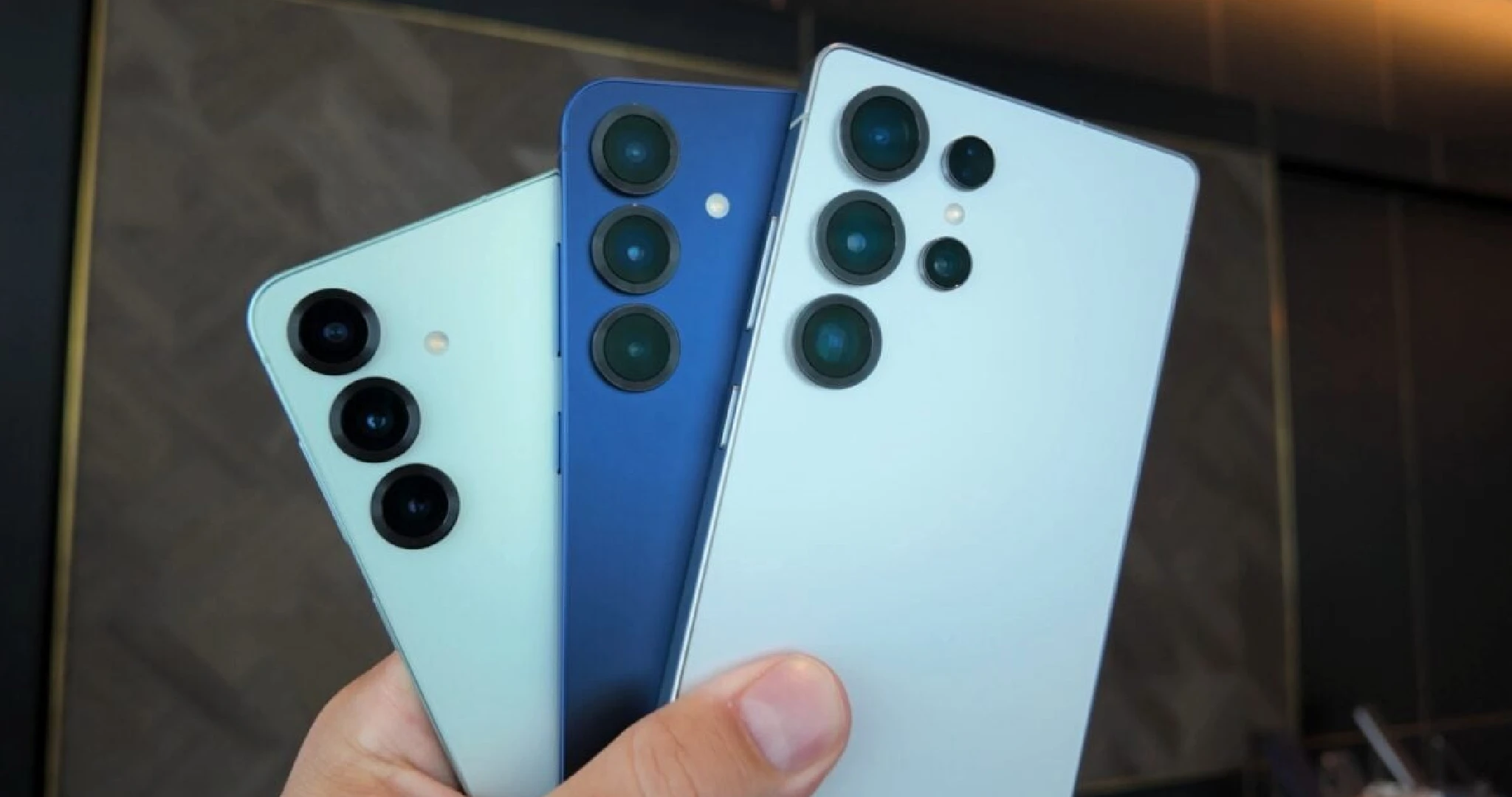
It’s a familiar sight: budget Galaxy phones with noticeably thicker display chins than their premium siblings. The further down Samsung’s price ladder you go, the less uniform the bezels become. Is this deliberate design tiering—or a subtle push toward pricier models?
The short answer is no. According to manufacturers and industry experts, the difference comes down to real engineering and cost constraints, not artificial limits.
Rigid vs. Flexible Displays: The Real Divider
At the heart of the issue is the type of display panel Samsung uses. Every smartphone screen needs connectors at the bottom to link the display to the motherboard.
- On rigid LCD or OLED panels, those connectors need physical space.
- That space usually becomes a thicker lower bezel, or “chin,” on cheaper Galaxy phones.
There’s simply nowhere else for that hardware to go. Could Samsung shrink it anyway?
More expensive Galaxy models solve this problem with flexible OLED panels. These aren’t foldable screens—just cleverly engineered ones.
- The bottom edge of the panel is bent inward, hidden inside the chassis.
- This bend routes the connectors to the motherboard without enlarging the bezel.
You never see the bend itself. What you do see is the clean, symmetrical bezel design associated with premium Galaxy phones. It’s like hiding messy cables behind a wall—more elegant, but also more expensive.
Why Not Use Flexible OLED Everywhere?
If flexible OLED enables uniform bezels, why not use it across the board? Is Samsung intentionally holding it back?
Again, the answer is cost. Flexible OLED panels can be 30% to 100% more expensive to manufacture than comparable rigid OLED panels. That’s a massive swing for phones designed to stay affordable.
- Costs have declined as adoption increased.
- Still, Samsung hasn’t pushed flexible OLED into the Galaxy A series yet.
- The upcoming Galaxy A57 is unlikely to change that pattern.
Would buyers really want slimmer bezels if it meant noticeably higher prices?
Affordability vs. Aesthetics
Some competitors have introduced uniform bezels on lower-cost phones, proving it’s possible. But Samsung prioritizes other trade-offs.
- Longer firmware support
- Durability and reliability over time
The math isn’t the same for every brand. For Samsung, thicker chins may be the lesser evil if they keep prices accessible. It’s a classic “be careful what you wish for” scenario: remove the chin, and the budget phone might stop being budget.
Still, there’s room for improvement—and many hope Samsung can strike a better balance soon.
TL;DR
Budget Galaxy phones have thick display chins because they use rigid displays that need space for connectors. Premium models use costlier flexible OLED panels that hide those connectors, enabling uniform bezels. The trade-off is price—flexible OLED can cost 30–100% more, threatening affordability.
AI summary (key points):
- Thick chins aren’t intentional downgrades
- Rigid displays require space for connectors
- Flexible OLED enables uniform bezels
- Flexible OLED is far more expensive
- Samsung favors affordability and longevity